
The Great Barrier Reef: Earth's Largest Living Structure
Stretching over 2,300 kilometers (1,430 miles) along Australia's northeast coast, the Great Barrier Reef is the largest coral reef system on the planet. Visible from space, it encompasses over 2,900 individual reefs, 900 islands, 1,500 species of fish and 400 types of coral. For scuba divers, it represents the ultimate underwater pilgrimage, a place of staggering biodiversity, crystal clear visibility and encounters with everything from tiny nudibranchs to massive manta rays.
Whether you are a certified diver or a complete beginner, the Great Barrier Reef offers experiences to match every skill level. This guide covers everything you need to plan the dive trip of a lifetime.
Best Time to Dive the Great Barrier Reef
The reef is diveable year round, but conditions vary by season:
- June to November (Australian winter/spring): Best overall conditions. Water temperatures of 22 to 26 Celsius (72 to 79 Fahrenheit), excellent visibility (up to 30+ meters), calm seas, minke whale season (June/July) and manta ray encounters
- December to February (summer): Warmest water (27 to 29 Celsius), coral spawning in November/December (a rare phenomenon), but also stinger (jellyfish) season requiring full body suits
- March to May (autumn): Warm water, fewer crowds, good visibility. Turtle nesting season on some islands
Peak diving season: June to October for the best combination of visibility, marine life and comfortable conditions.
Major Dive Regions and Sites
Cairns and Port Douglas (Northern Reef)
The most popular gateway to the reef. Day trips depart daily to the outer reef, which offers far better coral and marine life than the inner reef.
- Agincourt Reef: Pristine ribbon reef with wall dives, swim throughs and incredible coral gardens
- Flynn Reef: Easy access from Cairns with reliable turtle and reef shark sightings
- Cod Hole: Famous for giant potato cod that swim right up to divers. An unforgettable close encounter
The Whitsundays (Central Reef)
The Whitsunday Islands offer a combination of island beauty and excellent diving. Whitehaven Beach is one of the world's most beautiful beaches, and the surrounding reefs are healthy and vibrant.
- Bait Reef: Features the famous Stepping Stones coral formation and frequent manta ray sightings
- Hardy Reef: Home to the Heart Reef (iconic from the air) with diverse marine life
Ribbon Reefs (Far Northern Reef)
Only accessible by liveaboard boats, the Ribbon Reefs offer the most pristine diving on the entire barrier reef. This is where serious divers come for the best coral, biggest fish and clearest water.
- Osprey Reef: Open ocean reef with pelagic sharks, dramatic walls dropping to 1,000+ meters and visibility exceeding 40 meters
- Steve's Bommie: Consistently rated one of the top 10 dive sites in the world for its incredible density of marine life on a single coral pinnacle
Day Trips vs. Liveaboard Diving
Day Trips
- Duration: Full day (6 to 8 hours on the water)
- Dives: 2 to 3 dives per trip
- Cost: $180 to $300 AUD per day including gear
- Best for: Beginners, short trips, combining with other Queensland activities
- Departure points: Cairns, Port Douglas, Airlie Beach, Townsville
Liveaboard Boats
- Duration: 2 to 7 nights
- Dives: 3 to 5 dives per day (including night dives)
- Cost: $500 to $3,000+ AUD depending on length and luxury level
- Best for: Experienced divers, accessing remote sites, maximum underwater time
- Top operators: Spirit of Freedom, Mike Ball Dive Expeditions, Pro Dive Cairns
If you have the time and budget, a liveaboard is the single best way to experience the reef. You will dive sites that day trip boats cannot reach and spend 3 to 5 times more time underwater.
Marine Life You Will Encounter
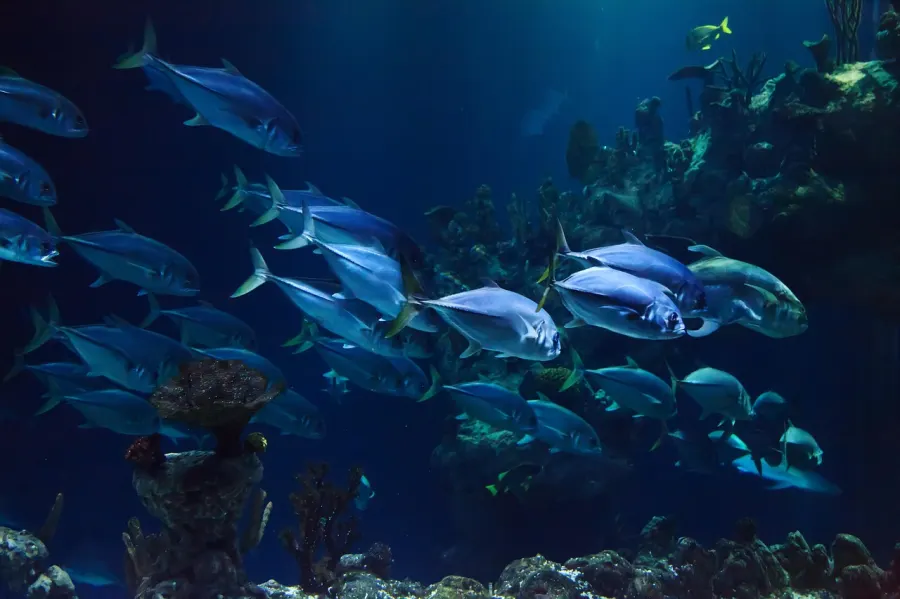
The Great Barrier Reef's biodiversity is staggering:
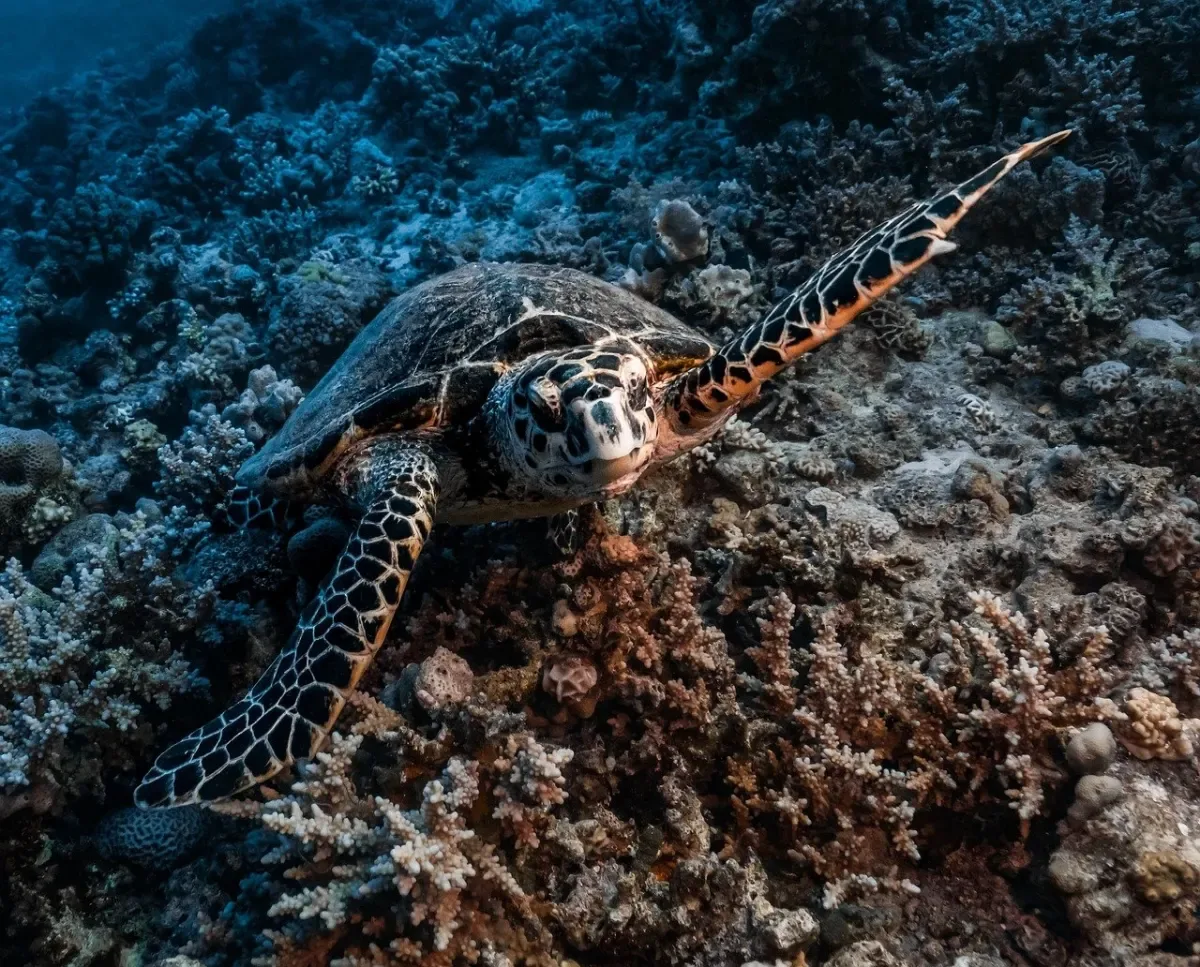
- Sea turtles: Green turtles and loggerheads are common. They are remarkably calm around divers
- Reef sharks: Whitetip and blacktip reef sharks patrol the shallows. Harmless and beautiful
- Manta rays: Massive and graceful, particularly common at cleaning stations on the outer reef
- Clownfish: Yes, Nemo lives here. Found in anemones across virtually every reef
- Giant clams: Enormous bivalves with iridescent mantles in blues, greens and purples
- Minke whales: Dwarf minke whales visit the northern reef from June to July and are curious about snorkelers
- Nudibranchs: Tiny, impossibly colorful sea slugs that are a macro photographer's dream
For Beginners: Introductory Dives and Certification
You do not need certification to dive the Great Barrier Reef. Introductory dives (also called Discover Scuba) let complete beginners dive to 12 meters after a brief pool or confined water session. An instructor stays with you the entire time.
If you want to get certified, many Cairns operators offer Open Water certification courses completed over 3 to 4 days, with classroom sessions, pool work and open water dives on the actual reef. Cost: $500 to $800 AUD including all gear and certification.
What to Bring and What to Rent
Rent from the operator: BCD, regulator, tank, weights, wetsuit. Most operators include all gear in the price.
Bring your own:
- Mask and snorkel (personal fit matters)
- Reef safe sunscreen (chemical sunscreens damage coral)
- Underwater camera (GoPro or similar)
- Seasickness medication (take before boarding)
- Rash guard or stinger suit for jellyfish season
- Log book and certification card
Conservation: Protecting the Reef
The Great Barrier Reef faces serious threats from climate change, coral bleaching and pollution. As divers, we have a responsibility to protect it:
- Never touch coral. Even slight contact can damage years of growth
- Maintain buoyancy control. Practice in the pool if needed to avoid kicking the reef
- Use reef safe sunscreen without oxybenzone or octinoxate
- Choose eco certified operators who follow sustainable practices
- Do not feed fish. It disrupts natural feeding behaviors
- Take nothing but photos. Leave every dive site exactly as you found it
Budget Breakdown for a Reef Diving Trip
- Flights to Cairns: $800 to $1,500 from North America
- Accommodation in Cairns (5 nights): $300 to $750
- Day trips (2 days): $360 to $600 AUD
- Liveaboard (3 nights): $900 to $2,000 AUD
- Food and transport: $200 to $400
- Total: $2,000 to $5,000 depending on options
Final Thoughts
Diving the Great Barrier Reef is one of those experiences that genuinely changes you. The first time you descend into a coral garden and realize you are surrounded by turtles, sharks, rays and thousands of fish in every color imaginable, the underwater world becomes addictive. Whether you choose a single day trip from Cairns or a week long liveaboard to the remote Ribbon Reefs, the Great Barrier Reef delivers an experience that no documentary or photograph can capture. The reef needs our attention and our protection, so dive it, love it and help preserve it for future generations.
For guided reef diving and snorkeling experiences, explore Great Barrier Reef tours on Viator.
For the best guided tours and travel experiences worldwide, browse top-rated activities on Viator.
Best Dive Sites for Every Skill Level
The Great Barrier Reef stretches over 1,400 miles along Australia's northeast coast, and not all dive sites are created equal. For beginners, the inner reef near Cairns offers shallow, protected sites with calm water and abundant marine life. Fitzroy Island and Green Island are popular choices with depths of 5 to 15 meters and excellent visibility. You will spot clownfish, giant clams, sea turtles, and parrotfish without needing advanced skills.
Intermediate divers should head to the outer reef for more dramatic formations and bigger marine encounters. Agincourt Reef and Norman Reef feature swim-throughs, coral walls, and regular sightings of reef sharks and eagle rays. Advanced divers will want to make the trip to the Cod Hole near Lizard Island, famous for friendly potato cod that swim right up to divers, and Osprey Reef in the Coral Sea, where hammerhead sharks and manta rays patrol the deep blue.
Liveaboard vs Day Trip Diving
Day trips from Cairns or Port Douglas are the most accessible way to dive the reef. Boats depart early morning and return by late afternoon, typically offering two to three dives plus snorkeling time. These trips work well for beginners and travelers with limited schedules. Expect to pay $180 to $280 AUD per person including gear rental.
For serious divers, a liveaboard trip unlocks remote sites that day boats cannot reach. Three to seven night liveaboards venture to the Ribbon Reefs, Cod Hole, and Coral Sea, offering four to five dives per day including night dives. Prices range from $1,200 to $3,500 AUD depending on duration and vessel quality. The experience is worth every dollar if diving is the primary focus of your trip.
Marine Life You Will Encounter
The Great Barrier Reef is home to over 1,500 species of fish, 400 types of coral, and 30 species of whales and dolphins. Between June and November, humpback whales migrate through the outer reef, and lucky divers may hear their songs underwater. November through March is turtle nesting season, when green and loggerhead turtles come ashore on reef islands. Dwarf minke whales visit the northern reef from May to August, offering rare and magical encounters for snorkelers and divers alike.
Manta ray season peaks from May to September at Lady Elliot Island, one of the best spots in the world for reliable manta encounters. Whether you are swimming alongside a gentle whale shark or watching a tiny nudibranch crawl across coral, the reef delivers unforgettable wildlife moments at every turn.
Conservation and Responsible Diving
The reef faces ongoing threats from climate change, coral bleaching, and water pollution. As a visitor, you can dive responsibly by choosing eco-certified operators who follow best practices for reef protection. Never touch coral, maintain proper buoyancy to avoid contact with the reef, and skip sunscreens containing oxybenzone, which damages coral. Reef-safe mineral sunscreens are widely available in Cairns.
Many operators contribute a portion of ticket sales to reef conservation organizations, and some offer opportunities to participate in coral planting programs. Your visit supports the local economy that depends on a healthy reef, giving communities a financial incentive to protect it. For more underwater adventure ideas, check out our guide to snorkeling and diving in Phuket. If you are interested in other world-class snorkeling spots, our Caribbean snorkeling guide covers the best clear-water locations.

Comments (0)
Leave a Comment