
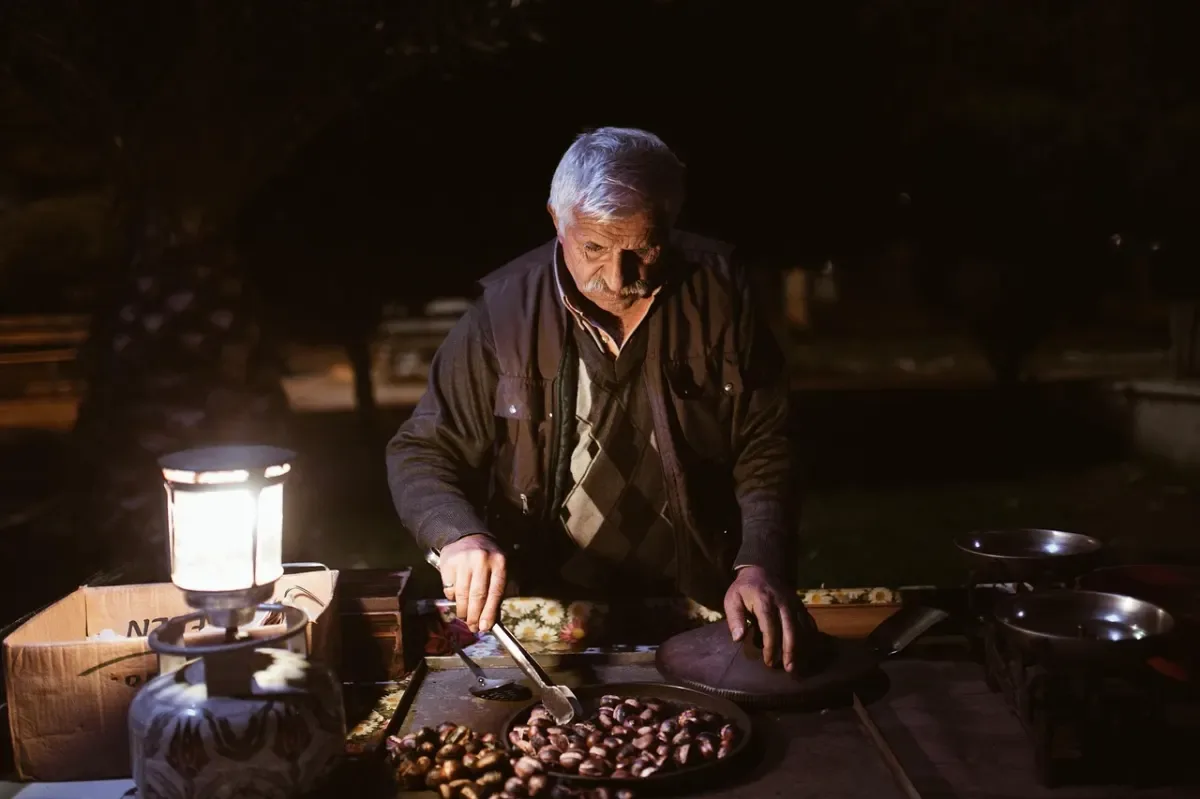
Why Street Food Is the Best Way to Experience a City
Forget Michelin starred restaurants and hotel buffets. If you want to taste the true soul of a city, head to the streets. Street food is where generations of culinary tradition come alive on sizzling griddles, in steaming pots and from charcoal grills operated by vendors who have perfected a single dish over decades. It is affordable, authentic and often the most delicious food you will eat anywhere.
After extensive travels and far too many late night food stalls, here are the best street food cities on the planet, ranked by variety, flavor, atmosphere and value.
1. Bangkok, Thailand
Bangkok is the undisputed king of street food. Nearly every sidewalk, alley and market square becomes an open air kitchen after dark. The city earned a Michelin star for a street food stall (Jay Fai) and the flavors are explosively good.
Must Try Dishes
- Pad Thai: Stir fried rice noodles with shrimp, peanuts, lime and tamarind sauce
- Som Tum: Spicy green papaya salad pounded fresh to order
- Khao Man Gai: Poached chicken over fragrant rice with chili ginger sauce
- Mango Sticky Rice: Sweet coconut rice with fresh mango slices
Best areas: Yaowarat (Chinatown), Sukhumvit Soi 38, Or Tor Kor Market. Average cost per dish: $1 to $3. If you want a guided introduction, explore food tours in Phuket and Thailand on Viator for curated tastings.
2. Mexico City, Mexico
Mexico City is a street food paradise with an incredible depth of regional cuisines. Every neighborhood has its own specialties and the quality from humble carts often surpasses sit down restaurants.
Must Try Dishes
- Tacos al Pastor: Spit roasted pork carved onto corn tortillas with pineapple, cilantro and salsa
- Tlacoyos: Thick oval masa cakes stuffed with beans and topped with nopales, cheese and salsa
- Elote: Grilled corn on the cob slathered in mayo, chili powder, lime and cotija cheese
- Quesadillas: From street stands using fresh blue corn masa and fillings like huitlacoche (corn fungus)
Best areas: Mercado de Coyoacan, La Merced, Roma Norte taco stands. Average cost: $0.50 to $2 per taco.
3. Istanbul, Turkey
Istanbul straddles Europe and Asia, and its street food reflects both continents. The city's food scene is deeply rooted in Ottoman cuisine with fresh ingredients and bold spices.
Must Try Dishes
- Balik Ekmek: Grilled fish sandwich served from boats along the Galata Bridge
- Simit: Circular sesame bread, Turkey's answer to the bagel, sold from red carts on every corner
- Lahmacun: Paper thin Turkish pizza topped with spiced minced lamb
- Dondurma: Stretchy Turkish ice cream served with theatrical flair
Best areas: Kadikoy Market (Asian side), Eminonu waterfront, Grand Bazaar surroundings. Average cost: $2 to $5.
4. Marrakech, Morocco
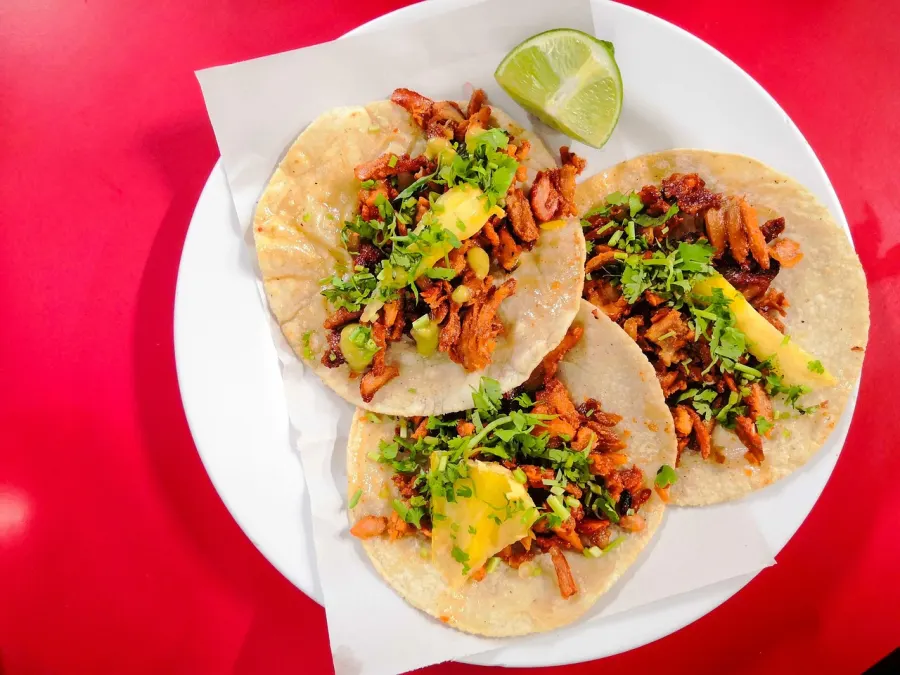
The Jemaa el Fna square in Marrakech transforms each evening into the world's largest open air restaurant. Smoke rises from dozens of stalls as vendors compete for your attention with theatrical calls and sizzling displays.
Must Try Dishes
- Harira: Rich tomato lentil soup with chickpeas and herbs
- Merguez sausages: Spicy lamb sausages grilled over charcoal
- Snail soup: A local delicacy ladled from massive steaming pots
- Msemen: Flaky, buttery Moroccan flatbread drizzled with honey
Best areas: Jemaa el Fna square (stalls numbered 1 to 100+), Mellah neighborhood, Gueliz. Average cost: $1 to $4.
5. Tokyo, Japan
Tokyo redefines street food with obsessive attention to quality. Even a simple bowl of ramen from a tiny counter seat shop (technically not a street stall, but the spirit is the same) represents years of perfected craft.
Must Try Dishes
- Takoyaki: Crispy octopus balls drizzled with sauce and bonito flakes
- Yakitori: Grilled chicken skewers in endless varieties, from thigh to heart to cartilage
- Onigiri: Rice triangles with various fillings from every convenience store
- Taiyaki: Fish shaped pastries filled with sweet red bean paste or custard
Best areas: Tsukiji Outer Market, Ameya Yokocho, Yanaka Ginza, festival stalls (yatai). Average cost: $2 to $6.
6. Penang, Malaysia
George Town, Penang is often called the food capital of Southeast Asia. The island's multicultural heritage (Malay, Chinese, Indian and Peranakan) creates an extraordinary mix of flavors found nowhere else.
Must Try Dishes
- Char Kway Teow: Smoky stir fried flat noodles with shrimp, cockles and bean sprouts
- Assam Laksa: Tangy, sour fish noodle soup that CNN ranked as the world's 7th best food
- Nasi Kandar: Rice with a rainbow of curries and side dishes, mixed and matched
- Cendol: Shaved ice with green rice flour jelly, coconut milk and palm sugar
Best areas: Gurney Drive Hawker Centre, Kimberley Street, New Lane. Average cost: $1 to $3.
7. Lima, Peru
Lima has earned its reputation as the gastronomic capital of South America, and the street food scene reflects the same creativity and quality found in its award winning restaurants.
Must Try Dishes
- Anticuchos: Marinated beef heart skewers grilled over coals, tender and smoky
- Ceviche: Fresh raw fish cured in lime juice with chili, onion and sweet potato
- Papa Rellena: Deep fried mashed potato balls stuffed with seasoned meat
- Picarones: Sweet potato and squash doughnuts drizzled with fig syrup
Best areas: Surquillo Market, Miraflores street vendors, La Victoria. Average cost: $1 to $4.
8. Mumbai, India
Mumbai's street food culture is legendary, fueled by millions of workers who eat on the go daily. The city's chaat (savory snack) culture is unmatched anywhere in India.
Must Try Dishes
- Vada Pav: A spiced potato fritter in a soft bun, Mumbai's beloved street burger
- Pav Bhaji: Buttery mixed vegetable curry with soft bread rolls
- Bhel Puri: Crunchy puffed rice mixed with chutneys, onions and sev
- Pani Puri: Hollow crispy shells filled with spiced water and chickpeas
Best areas: Chowpatty Beach, Mohammed Ali Road, Khau Galli. Average cost: $0.50 to $2.
Tips for Eating Street Food Safely
- Follow the crowds: High turnover means fresher food
- Watch it being cooked: If it is made fresh in front of you, it is safer
- Avoid pre cut fruit unless you see it being peeled
- Carry hand sanitizer and use it before eating
- Start slow: Let your stomach adjust before going on a binge
- Drink bottled or filtered water rather than tap water in developing countries
Final Thoughts
The best meals of your travels will not always come from restaurants with tablecloths and wine lists. They will come from a plastic stool at a Bangkok wok station, a paper plate of tacos in Mexico City or a steaming bowl of laksa in Penang. Street food connects you to local life, tradition and flavor in ways no formal dining experience can match. Bring an adventurous palate, an empty stomach and a willingness to point at whatever smells amazing.
For the best guided tours and travel experiences worldwide, browse top-rated activities on Viator.
How to Find the Best Street Food Stalls
The golden rule of street food is simple: eat where the locals eat. Long lines of neighborhood regulars are a better indicator of quality than any travel blog recommendation. Look for stalls that specialize in one or two dishes rather than those with menus spanning twenty items. Specialization means the cook has perfected their craft over years, sometimes decades.
Timing matters too. Many of the best stalls only operate during specific hours. Breakfast spots close by mid-morning, lunch vendors might run out of food by 1 PM, and the most popular night market stalls sell out well before closing time. Ask your hotel staff or local guides for their personal favorites, and you will almost always discover spots that tourists overlook.
Street Food Safety Tips
Worried about getting sick? Stick to stalls where food is cooked fresh in front of you rather than sitting out in trays. High turnover means fresher ingredients. Watch for vendors who handle raw meat and money with the same hands without washing in between. Carry your own hand sanitizer and use it before eating. Peel your own fruit, and when in doubt about water, stick to bottled or sealed drinks.
That said, do not let fear keep you from trying things. Street food vendors depend on repeat local customers, so they have every incentive to keep their food safe and delicious.
Budget Breakdown by City
One of the greatest joys of street food is how affordable it is. In Bangkok, you can eat three full meals from street stalls for under $10. Hanoi is even cheaper, with a bowl of pho costing about $1.50 and a banh mi for under a dollar. Mexico City's tacos al pastor run about $0.50 to $1 each, and a full meal of four tacos with drinks stays under $5.
In pricier cities like Singapore and Tokyo, street food still offers incredible value. A plate of chicken rice at a Singapore hawker center costs about $3, and a bowl of ramen from a Tokyo street stall runs around $7 to $9. Compare that to restaurant prices in those cities, and the savings are dramatic.
Street Food Tours Worth Booking
If you want a guided introduction to a city's street food scene, local food tours are worth every penny. A good guide will take you to hidden stalls, explain the history behind each dish, and help you navigate ordering in a foreign language. Tours typically last three to four hours and include six to ten tastings, enough food to replace a full meal. Look for tours led by locals rather than large international companies, as they tend to visit more authentic spots and support small businesses.
For deep dives into specific cities, check out our guides to Barcelona's street food scene and Bangkok's temples and street food. If you want to build an entire trip around food, our culinary tour of Mexico City is a great starting point.

Comments (0)
Leave a Comment